When Fitness Becomes Laundry
Why fitness routines fade and equipment collects dust—and what actually helps people stay consistent and get back on track for good.
By
May 13, 2026


Drive through almost any neighborhood long enough and you’ll see it.
An old weight bench sitting at the curb.
An elliptical with a “FREE” sign taped to it.
A rower listed on Facebook Marketplace.
Maybe even a Peloton—barely used, heavily discounted.
At one point, none of these were junk.
They were decisions.
Each one represented a moment where someone said, “I want to change something.”
A step toward feeling better, getting stronger, or taking back some control.
That part matters. It’s real.
But somewhere along the way… something shifted.
Most people don’t quit fitness in a dramatic, all-or-nothing way.
It’s quieter than that.
A missed workout here.
A long day at work there.
A week where life just feels a little heavier than usual.
“I’ll get back to it tomorrow.”
And then tomorrow becomes next week.
Then the equipment that once felt like an opportunity becomes… neutral.
Just something in the corner.
Sometimes it even becomes a place to throw a sweatshirt, a towel… a quiet signal that what once mattered has slowly been pushed aside.
Eventually, it turns into something else entirely.
A reminder.
At first, that rower or bike represented possibility.
But over time, it can start to represent something different:
· Frustration
· Guilt
· Pressure
· A version of yourself you feel like you’re not living up to
So what do most people do?
They avoid it.
Not because they don’t care—but because it’s uncomfortable to be reminded.
And eventually, removing it feels easier than facing it.
So it gets moved to the garage.
Or listed for sale.
Or left at the curb.
Not because it didn’t work…
But because the situation around it didn’t.
It’s easy to look at that equipment and assume someone just “fell off.”
But that’s rarely the full story.
Maybe life got busier than expected.
Maybe sleep became harder to come by.
Maybe stress, kids, work, or an injury shifted priorities.
Most people don’t fail because they’re incapable.
They just try to do something hard… in isolation.
Without structure.
Without support.
Without anyone there to help them adjust when things inevitably get off track.
Because there’s another version of this story.
Same person. Same intention to change.
But instead of going it alone, they step into an environment that gives them:
· A plan they don’t have to think about
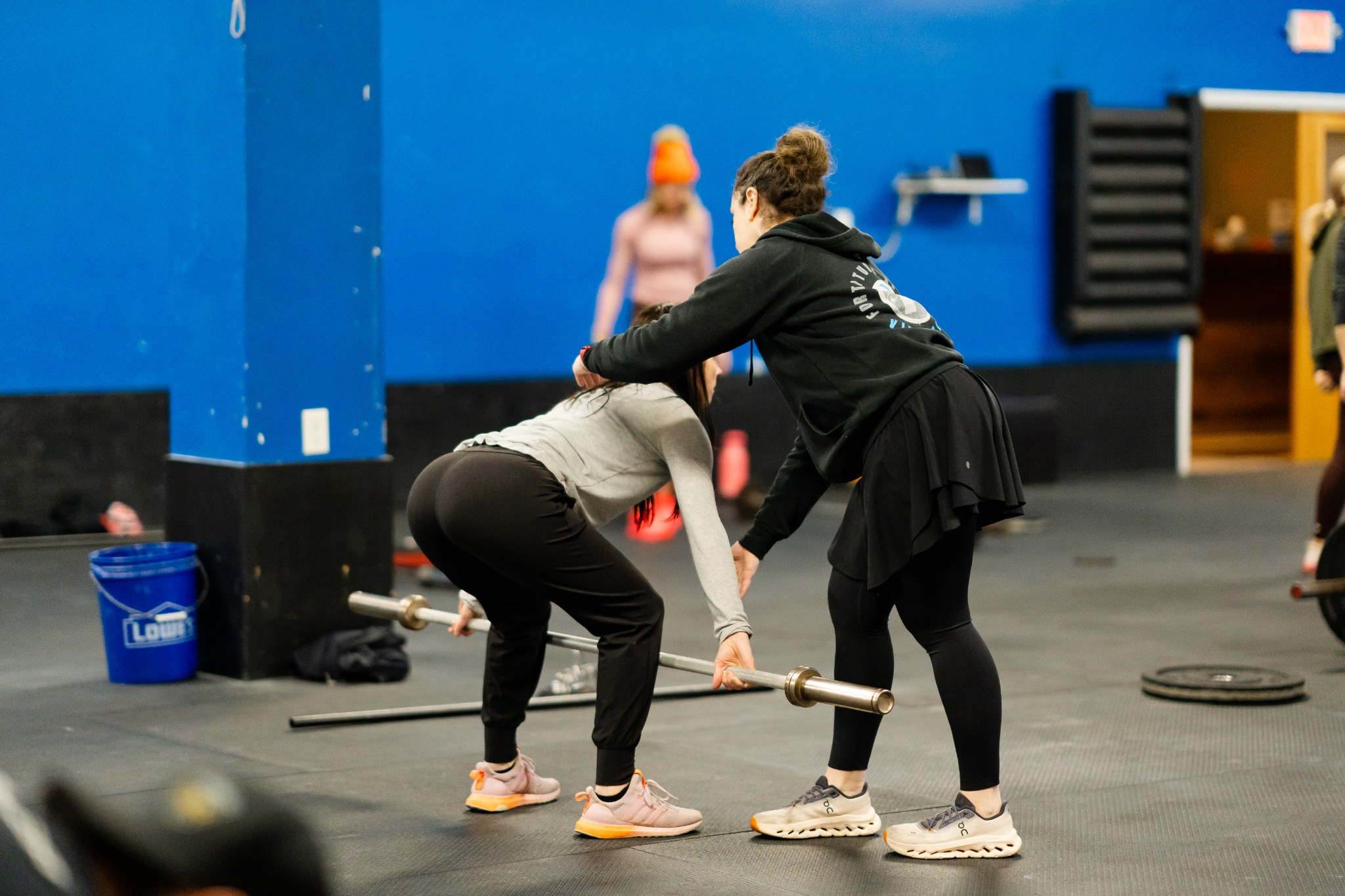
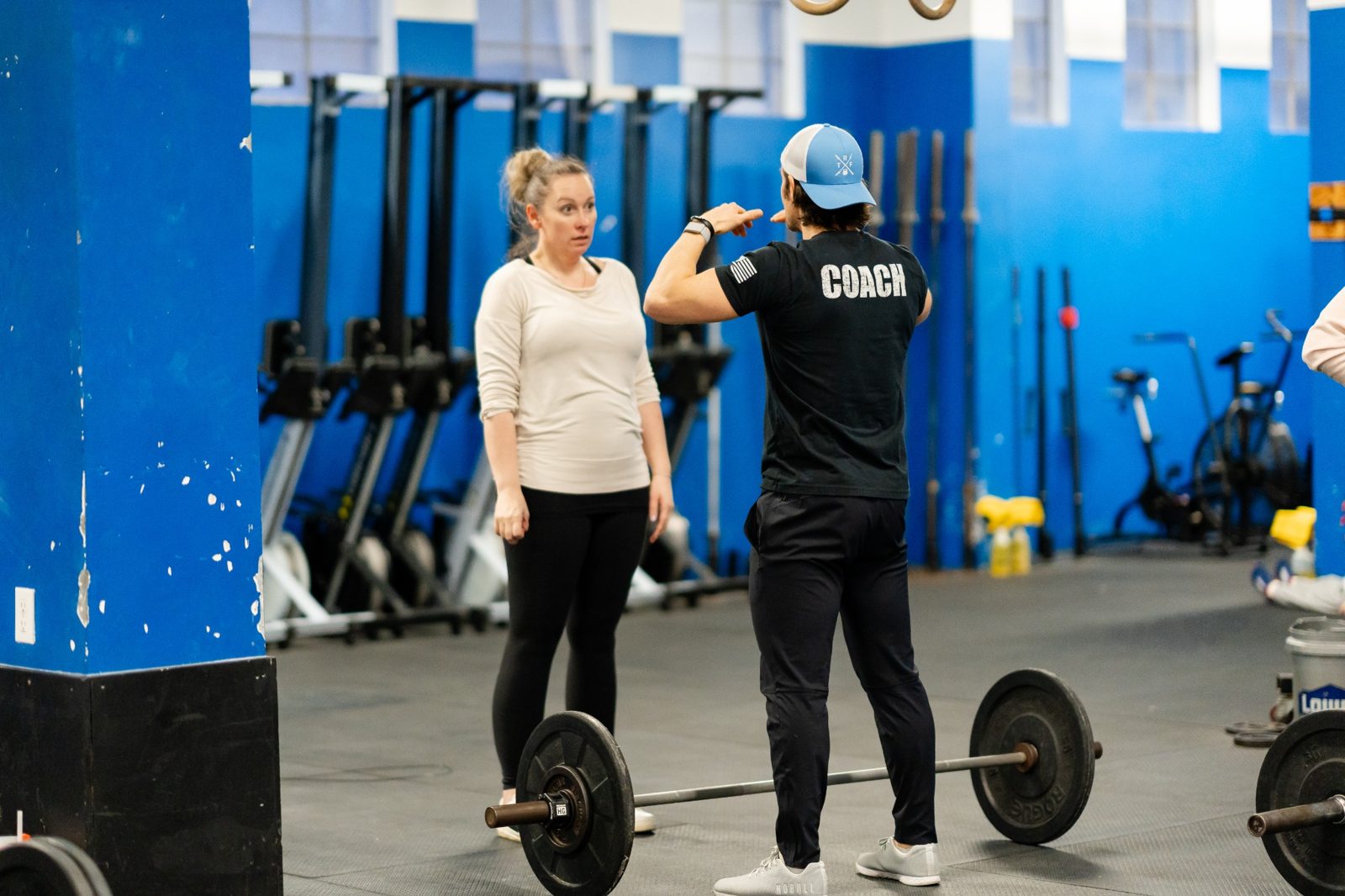
· Coaching that meets them where they are
· A community that expects them to show up (in a good way)
Now when life gets busy—and it will—they don’t disappear.
They adjust.
They scale.
They keep moving.
And over time, that consistency starts to compound.
Not perfectly. But steadily.
There’s a good chance you’ve been here before.
Most people have.
And if you have something sitting in your garage right now… this isn’t a callout.
It’s a reminder.
You didn’t make a bad decision back then.
You just didn’t have everything you needed to follow through.
The goal isn’t to go back and “try harder.”
It’s to move forward differently.
With the right support.
With a plan that fits your life.
And with people around you who make it easier to stay consistent—even when motivation fades.
Fitness isn’t something you buy once and figure out on your own.
It’s something you build over time.
And it usually doesn’t happen alone.
If you’ve been meaning to get back to it, consider this your sign.
Not to start over—but to step back in, the right way this time.